Friday, August 28, 2020

Thursday, January 24, 2019

Monday, January 21, 2019
Does Catnip Really Get Your Cat High
avo
Does your cat like catnip ? I just found out that one of mine does and one doesn’t. Typical, according to the statistics.
My daughter and I were recently running some errands, and she decided to buy the cats presents. Keep in mind that she is four and her savings are, shall we say, "limited," so I knew I’d be the one footing the bill. I am nothing if not frugal (some would say cheap), so I gently steered her towards the one dollar cat toys . There, she selected a fuzzy pink mouse and a small catnip-stuffed pillow emblazoned with the words "I Love Cats
 ."
. There, she selected a fuzzy pink mouse and a small catnip-stuffed pillow emblazoned with the words "I Love Cats."
We promptly lost the mouse (I think it made it out of the car and into the house, but I wouldn’t swear to it), but the pillow survived the trip home. Renee placed it ever so gently in front of the cats and stood back to watch their reactions.
Vicky – nothing. She looked at it quizzically , gave it a quick sniff, and walked away.
Keelor – ecstasy! He immediately started rubbing his face all over the pillow, drooling (he responds to many things by drooling), and purring. This continued on and off for days, after which time he completely lost interest. The last time I saw this previously adored object, it was in the corner of the laundry room covered with dust.
This experience made me wonder exactly what catnip is. You might think we’d have learned something about this in vet school (and maybe we did), but when Renee asked me why Keelor was acting so funny, I realized my knowledge was rudimentary at best. I did a little research and here is what I found:
- Catnip (Nepeta cataria) is a perennial herb
that is a member of the mint family. It can grow to be up to three feet high!
- The chemical compound in the plant that attracts and affects cats is called nepetalactone. It is found in the leaves and stems.
- Nepetalactone is a stimulant when sniffed by a cat, producing a "high" that is described as being similar to either marijuana or LSD. (How this was determined, I do not know.) And the effects last for about 10 minutes before wearing off and the cat going back to normal.
- When a cat eats catnip, it acts as a sedative, but when smelled, it causes the cat to go crazy. It is thought to mimic feline pheremones and trigger those receptors.
- Cats may react to the plant by rolling around, flipping over, and generally being hyperactive.
- About 50 percent of cats seem to be affected by catnip, and the behavior that results varies widely between individuals, and it is believed to be an inherited sensitivity.
- And if your cat does have the sensitivity, it will not emerge until your cat is several months old, young kittens are not affected by the chemicals in the plant.
- Cats may rub against and chew on catnip to bruise the leaves and stems, which then release more nepetalactone.
- Catnip is safe for cats. If they eat a lot, they may vomit and have diarrhea, but will return to normal given time (and no more catnip).
- It is also known to help humans, it has been used for its sedative properties in humans for centuries, having similar properties to chamomile and is a very potent mosquito repellent
- If cats are exposed to catnip frequently, they may no longer respond to it. Some people recommend that it shouldn’t be given more than once every two or three weeks to prevent habituation.
So if I had to guess, I’d say that all the nepetalactone has been squeezed out of Keelor’s little pillow. If I want to get him "high" again, I’ll have to splurge the next time I’m at the pet store, or start my own "home grown" operation.

Dr. Jennifer Coates
Sunday, January 20, 2019
Spay/Neuter Your Pet
Spay/Neuter Your Pet
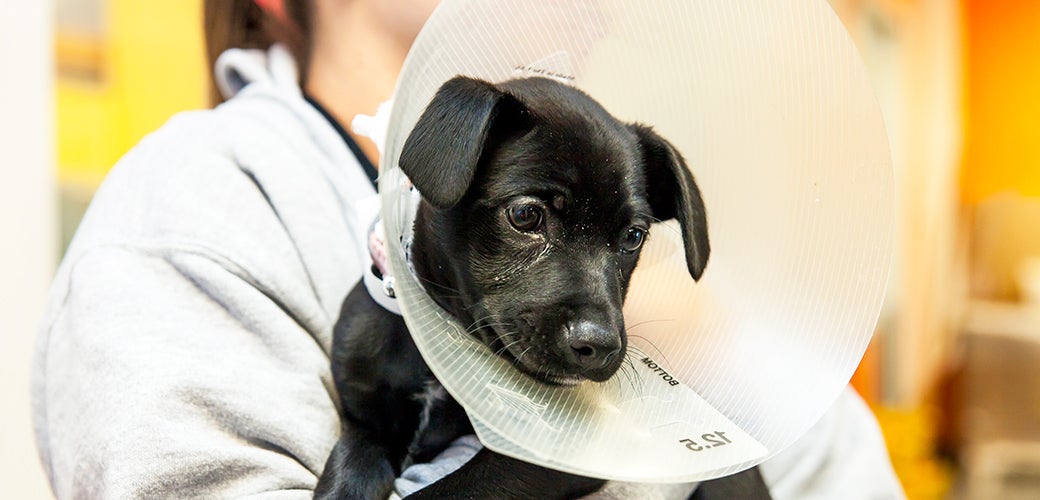
By spaying or neutering your pet, you’ll help control the pet homelessness crisis, which results in millions of healthy dogs and cats being euthanized in the United States each year simply because there aren’t enough homes to go around. There are also medical and behavioral benefits to spaying (female pets) and neutering (male pets)
 your animals.
your pet, you’ll help control the pet homelessness crisis, which results in millions of healthy dogs and cats being euthanized in the United States each year simply because there aren’t enough homes to go around. There are also medical and behavioral benefits to spaying (female pets) and neutering (male pets) your animals.
Here are some of the medical benefits:
- Your female pet will live a longer, healthier life. Spaying helps prevent uterine infections and breast tumors
, which are malignant or cancerous in about 50 percent of dogs and 90 percent of cats. Spaying your pet before her first heat offers the best protection from these diseases.
- Neutering your male companion
prevents testicular cancer and some prostate problems.
And behavioral benefits:
- Your spayed female pet won't go into heat. While cycles can vary, female felines
usually go into heat four to five days every three weeks during breeding season. In an effort to advertise for mates, they'll yowl and urinate more frequently—sometimes all over the house!
- Your male dog will be less likely to roam away from home. An intact male will do just about anything to find a mate, including finding creative ways escape from the house. Once he's free to roam, he risks injury in traffic and fights with other male animals.
- Your neutered male
may be better behaved. Unneutered dogs and cats are more likely to mark their territory by spraying strong-smelling urine all over the house. Your dog might be less likely to mount other dogs, people and inanimate objects after he’s neutered. Some aggression problems may be avoided by early neutering.
Spaying/neutering your pets is also highly cost-effective. The cost of your pet's spay/neuter surgery is far less than the cost of having and caring for a litter.
Debunking Spay/Neuter Myths and Misconceptions
- Spaying or neutering will not cause your pet to become overweight. Lack of exercise and overfeeding will cause your pet to pack on the extra pounds—not neutering. Your pet will remain fit and trim as long as you continue to provide exercise and monitor her food intake.
- Neutering is not as a quick fix
for all behavior problems. Although neutering your pet often reduces undesirable behaviors caused by a higher level of testosterone, there’s no guarantee that your dog’s behavior will change after he’s neutered. Although the surgery will reduce the amount of testosterone
in your dog’s system, it won’t eliminate the hormone completely. Neutering will also not reduce behaviors that your pet has earned or that have become habitual. The effects of neutering are largely dependent on your dog’s individual personality, physiology and history.
When to Spay or Neuter Your Pet
- For dogs: While the traditional age for neutering is six to nine months, puppies as young as eight weeks old can be neutered as long as they’re healthy. Dogs can be neutered as adults as well, although there’s a slightly higher risk of post-operative complications in older dogs, dogs that are overweight or dogs that have health problems.
- For cats: It is generally considered safe for kittens as young as eight weeks old to be spayed or neutered. In animal shelters, surgery is often performed at this time so that kittens can be sterilized prior to adoption. In an effort to avoid the start of urine spraying and eliminate the chance for pregnancy, it’s advisable to schedule the surgery before your own cat reaches five months of age. It’s possible to spay a female cat while she’s in heat.
Talk to your veterinarian to determine the best time to spay or neuter your pet.
Helping Your Pet Before and After Surgery
Your veterinary clinic will provide pre-surgical advice that you should follow. In general, avoid giving your cat any food after midnight the night before surgery. A puppy or kitten, however, needs adequate nutrition, and your veterinarian may advise that food not be withheld.
Your veterinarian can also provide post-operative instructions for you to follow. Although your pet may experience some discomfort after surgery, your veterinarian can take various measures to control pain. Depending on the procedure performed, medication for pain may be sent home with your pet.
Here are tips for a safe and comfortable recovery:
- Provide your pet with a quiet place to recover indoors and away from other animals.
- Prevent your pet from running and jumping for up to two weeks following surgery, or as long as your veterinarian recommends.
- Prevent your pet from licking the incision site, which may cause infection, by distracting your pet with treats or by using an Elizabethan collar.
- Avoid bathing your pet for at least ten days after surgery.
- Check the incision site daily to confirm proper healing.
If you notice any redness, swelling or discharge at the surgery site, or if the incision is open, please contact your veterinarian. Also call your veterinarian if your pet is lethargic, has a decreased appetite, is vomiting or has diarrhea or any other concerns following surgery.
Subscribe to:
Posts (Atom)


